A letter from our founders
Why we built Thout
We didn’t build Thout because we were excited about AI. We built it because we kept watching the same thing happen — in our own companies, and everywhere around us.
The most valuable people in an organization are often not the ones making the decisions. They’re the ones who make sure decisions turn into outcomes.
That is what a great Chief of Staff does. They create leverage: they capture context, connect the dots across conversations, remember commitments, surface risks before they bite, and keep momentum from slipping away.
For decades, that advantage was reserved for a handful of leaders at the top. Presidents had Chiefs of Staff. CEOs had strategy teams. Everyone else was left to navigate an endless stream of meetings, messages, and action items on their own — holding it together with memory and effort.
But the reality of work has changed. The cognitive load once carried by executives is now carried by everyone — founders, team leaders, operators, salespeople, project managers.
And every day, the same things happen. Valuable context gets buried. Decisions lose momentum. Commitments disappear into meeting notes. The connections between conversations are quietly forgotten.
The problem was never a lack of information. It was the inability to retain context, hold continuity, and turn what’s said into what gets done.
That’s why we built Thout.
The first time it worked the way we’d imagined, it was a small moment. A risk mentioned casually in one meeting resurfaced weeks later — automatically, exactly when it started to matter. A commitment someone had forgotten came back at the right time. A decision that would normally have died quietly actually travelled.
That was when we knew: this isn’t a better way to take notes. It’s a Chief of Staff — for everyone.
Thout turns the Chief of Staff from a role into a capability. It captures the intelligence hidden inside conversations, connects threads across meetings and time, preserves your organization’s memory, and makes sure what gets discussed actually gets done.
Because every conversation contains value. Every commitment matters. And everyone deserves the leverage of a Chief of Staff.
Conversations in. Execution out.
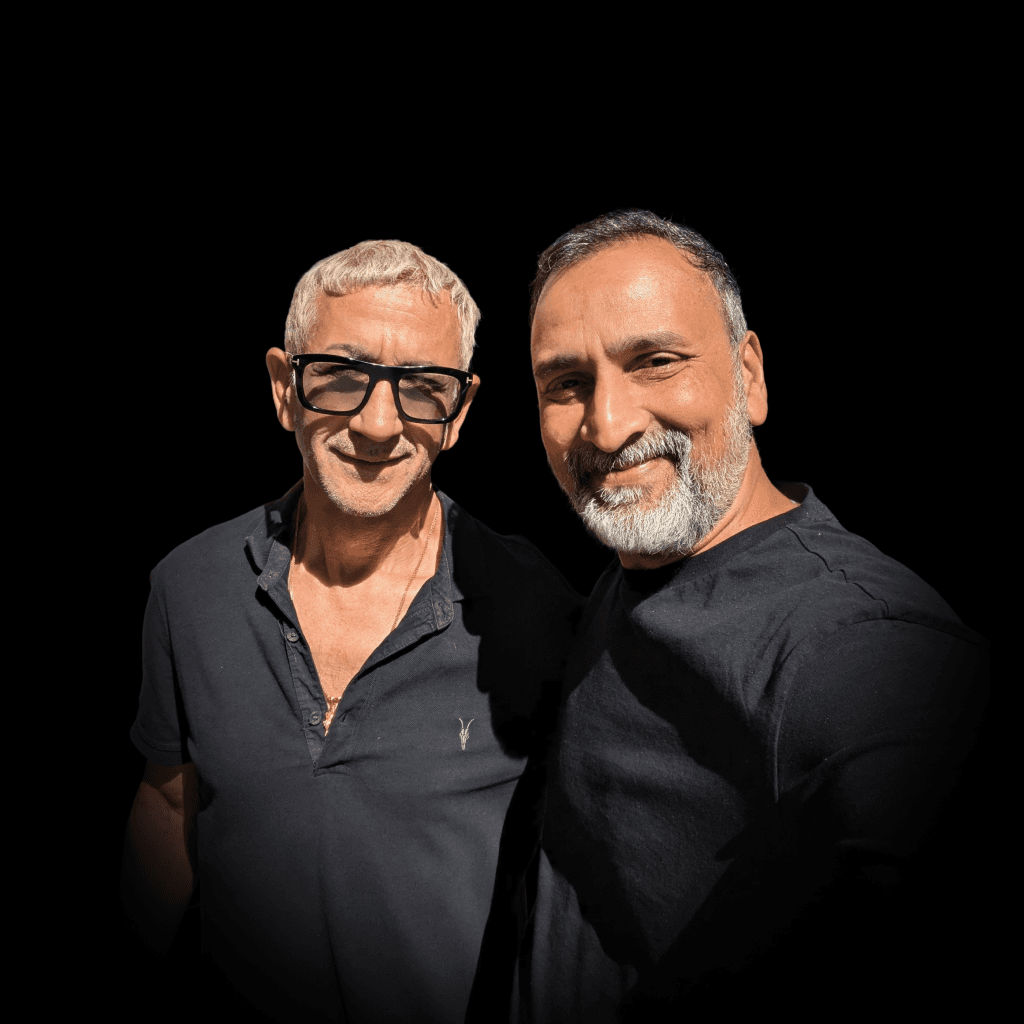
Suveen and Shankar
Co-founders · Los Angeles & Singapore